Neck Traction at Home: What It Helps and What It Doesn’t
Neck stiffness can develop after long hours at a desk, repeated phone use, exercise, driving, or sleeping in an uncomfortable position. Some people use neck traction at home to create a gentle stretch and reduce the compressed feeling around the neck.
However, neck symptoms can have different causes. Muscle tension, joint irritation, disc changes, nerve compression, injury, or poor movement habits may produce similar discomfort. A neck traction device cannot identify which condition is causing the symptoms.
The VivoSleep cervical neck traction device provides adjustable gravity-based traction for short, controlled home sessions. It should support a wider comfort routine rather than replace medical assessment, physical therapy, or prescribed treatment.
According to Cleveland Clinic, cervical traction gently pulls the head away from the body. This action creates space through the cervical spine and may reduce stiffness or tension for some people. Results can vary, and relief may only be temporary.
This guide explains what neck traction may help, what it cannot fix, how to use it carefully, and when professional care is needed.
Quick answer: Neck traction at home may provide temporary relief from mild tightness, stiffness, and selected nerve-related symptoms. It does not cure neck pain, reverse disc changes, permanently correct posture, or replace medical care. Seek professional advice before use if you have an injury, surgery history, weakness, numbness, dizziness, or severe pain.
What Is Neck Traction and How Does It Work?
Neck traction is also called cervical traction. It applies a controlled pulling force to the head and neck. The aim is to create a gentle stretch through the cervical spine and nearby soft tissues. This action may temporarily change pressure around joints, discs, muscles, and nerve roots.
Manual Cervical Traction
A doctor or physical therapist may hold the head and apply a light pull by hand. The provider can adjust the neck position and traction force based on the patient’s response. Manual traction allows close monitoring. It may also help determine whether traction is suitable before someone uses a home device.
Mechanical Cervical Traction
Mechanical devices apply a steady or intermittent pulling force. These devices are commonly used in clinical settings under professional supervision. The force, angle, and session time may be adjusted for the person’s condition.
Home Cervical Traction
Home devices include over-the-door systems, inflatable supports, posture-based stretchers, and other adjustable designs. A home device provides access to traction outside a clinic. It also places more responsibility on the user to follow setup instructions and stop when symptoms become uncomfortable.
How Over-the-Door Traction Differs
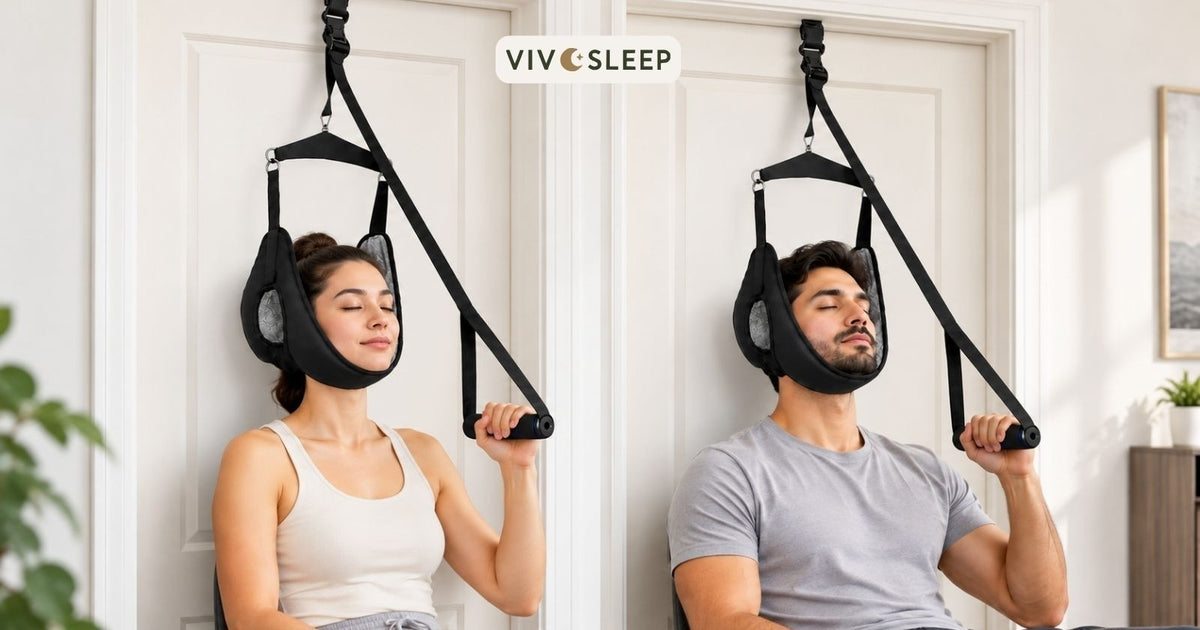
An over-the-door traction device uses a secure anchor and a head or chin support. The user gradually adds tension while remaining in a controlled position. The door, bar, or attachment point must remain stable. The support should hold the head without pressing into the throat.
Consider: The aim is not to create a neck “crack.” A useful session can feel like a mild stretch without making any sound.
What Can Neck Traction at Home Potentially Help With?

The evidence does not support presenting cervical traction as a general cure for neck problems. Its possible benefits are better described as symptom-specific and often temporary.
Temporary Neck Tightness
Gentle traction may create a stretching sensation that some people find comfortable when their neck feels tight. The response varies. Increasing force does not necessarily produce a better result.
Short-Term Neck Stiffness
People who spend long periods at a desk or in one position may notice neck stiffness. Traction may temporarily make the neck feel less compressed or easier to move for some users. Regular movement and workstation changes still matter for recurring desk-related discomfort.
For related daily habits, read VivoSleep's guide on how to fix tech neck.
Selected Cervical Radiculopathy Symptoms
Cervical radiculopathy occurs when a cervical nerve root becomes irritated or compressed. Symptoms can include neck pain that travels into the shoulder or arm, tingling, numbness, or weakness.
Temporary Posture-Related Comfort
Traction may provide temporary comfort after long periods of sitting or looking downward. However, it cannot permanently correct posture. Movement habits, workstation positioning, strength, activity, and breaks need separate attention.
Relaxation as Part of a Broader Routine
Some people simply find a mild cervical stretch comfortable. If home traction is appropriate for the person, it may fit alongside movement, prescribed exercises, rest, and other recommended care.
Expert insight: A temporary improvement after traction does not prove that a disc, joint, or nerve problem has been structurally corrected.
What Does Neck Traction Not Do?

Knowing the limits of neck traction helps people avoid unsafe expectations. Temporary relief is different from treating the cause of a medical condition.
Cure Neck Pain
Neck pain is a symptom rather than one condition. It may come from muscles, joints, discs, nerves, injury, arthritis, or another health issue. Traction cannot identify or cure every cause. It may only change the symptoms for a period.
Reverse Disc Changes
Traction does not rebuild a worn disc or permanently reverse a bulging or herniated disc. A person may feel less pressure during or after traction. That response should not be described as permanent structural repair.
Permanently Fix Posture
Posture changes throughout the day. A traction session cannot replace regular movement, screen adjustments, strength work, or better sitting habits. The aim should be comfortable and varied positions rather than holding one rigid posture.
Replace Strengthening
Traction creates a passive stretch. Strengthening asks the neck, shoulders, and upper back to control movement and support daily activity. These approaches serve different purposes. A physical therapist may include both when appropriate.
Replace Medical Care
Persistent or worsening symptoms need proper assessment. Home traction should not delay care after an injury or when neurological symptoms appear.
Who Should Avoid Neck Traction at Home?
Home traction does not suit every person or every neck condition. A clinician should review relevant health conditions before first use.
Ask a healthcare professional before using traction if you have:
- A recent neck injury
- Previous cervical fusion or neck surgery
- Severe osteoporosis or fracture risk
- Spinal instability
- Spinal cord compression or myelopathy
- An infection affecting the spine
- A spinal tumor
- An aneurysm
- Untreated high blood pressure
- Heart or circulation concerns
- Pregnancy
- Severe claustrophobia
- Unexplained weakness or numbness
Cleveland Clinic lists cervical fusion, osteoporosis, aneurysms, osteomyelitis, spinal cord tumours, myelopathy, and untreated hypertension among important risk factors. It recommends speaking with a healthcare provider before starting home traction.
When to Seek Medical Care
Mayo Clinic advises contacting a healthcare professional if neck pain worsens despite self-care, persists for several weeks, radiates down the arms or legs, or comes with headache, weakness, numbness, or tingling. Seek emergency care for severe neck pain after a collision, fall, or diving accident, for weakness in an arm or leg or trouble walking, or for severe neck pain with a high fever, which can signal meningitis.
Safety note: A product guide cannot assess your medical history. Ask a qualified clinician when symptoms are severe, persistent, unexplained, or nerve-related.
How Can You Use Neck Traction at Home More Safely?

If a healthcare professional considers home traction appropriate, follow the instructions supplied with the specific device. Different cervical traction devices use different positions, mechanisms, and levels of force. Generic advice should not override product-specific or clinician guidance.
Check the Setup Area
Choose a sturdy door, bar, or approved attachment point. Check each strap and connection before placing your head in the support. Do not use an unstable mount. Keep other people away from the door or attachment during the session.
Position the Head and Chin
Place the chin centrally in the support. Keep the head level rather than tilted forward, backward, or sideways. The support should hold the jaw without pressing into the throat.
Apply Light Tension
Increase tension slowly. Stop when you feel a mild and comfortable stretch through the back of the neck. Do not apply full tension in one movement. More force does not make the session more useful.
Stay Relaxed and Alert
Keep the shoulders relaxed and avoid sudden head movements. Remain awake and attentive during the full session. Do not sleep while using a neck traction device.
Release the Tension Slowly
Reduce the tension before removing the head from the support. Return to a neutral position and pause briefly. Follow with gentle neck turns or light tilts only when these movements feel comfortable.
Expert insight: Change one variable at a time. Do not increase tension, session length, and weekly frequency together.
How Long Should You Use a Neck Traction Device?
Session length depends on the device, medical guidance, and personal response. Longer sessions are not automatically more useful. For the VivoSleep device, first sessions can begin at approximately one to two minutes. VivoSleep suggests starting with two or three short sessions each week. If the stretch remains comfortable, session length may gradually increase toward five to ten minutes.
| Use question | Practical answer |
| How long should the first session last? | Start around one to two minutes for the VivoSleep device. |
| How often should a beginner use it? | Begin with two or three short sessions each week. |
| Can session length increase? | Increase gradually toward five to ten minutes if comfortable. |
| Should traction hurt? | No. It should feel like a mild stretch. |
| Can stronger force work faster? | No. Strong force may irritate symptoms. |
| What should you track? | Pain, stiffness, arm symptoms, dizziness, and headaches. |
Stop the session if pain, dizziness, numbness, tingling, weakness, headache, or unusual discomfort appears.
Neck Traction vs Stretching, Massage Guns, and Posture Exercises
Each option affects the body differently. The best choice depends on whether the main concern involves general tightness, mobility, posture, or nerve-related symptoms.
| Option | Possible role | Main limit |
| Neck traction | Gentle cervical stretching and temporary comfort | Does not diagnose or cure the cause |
| Stretching | Supports comfortable mobility | Forced stretching may irritate symptoms |
| Massage gun | Targets broad muscles around the shoulders and upper back | Should not be used directly on the neck |
| Posture exercises | Support strength and movement habits | Results require regular practice |
| Physical therapy | Provides assessment and a guided care plan | Needs individual evaluation |
Stretching Supports Mobility
Gentle stretching moves the neck and surrounding tissues through a comfortable range. Do not force the head into pain or use the hands to pull aggressively. Traction uses an external pulling force, so it should not be treated as the same technique.
Massage Guns Target Muscle Tissue
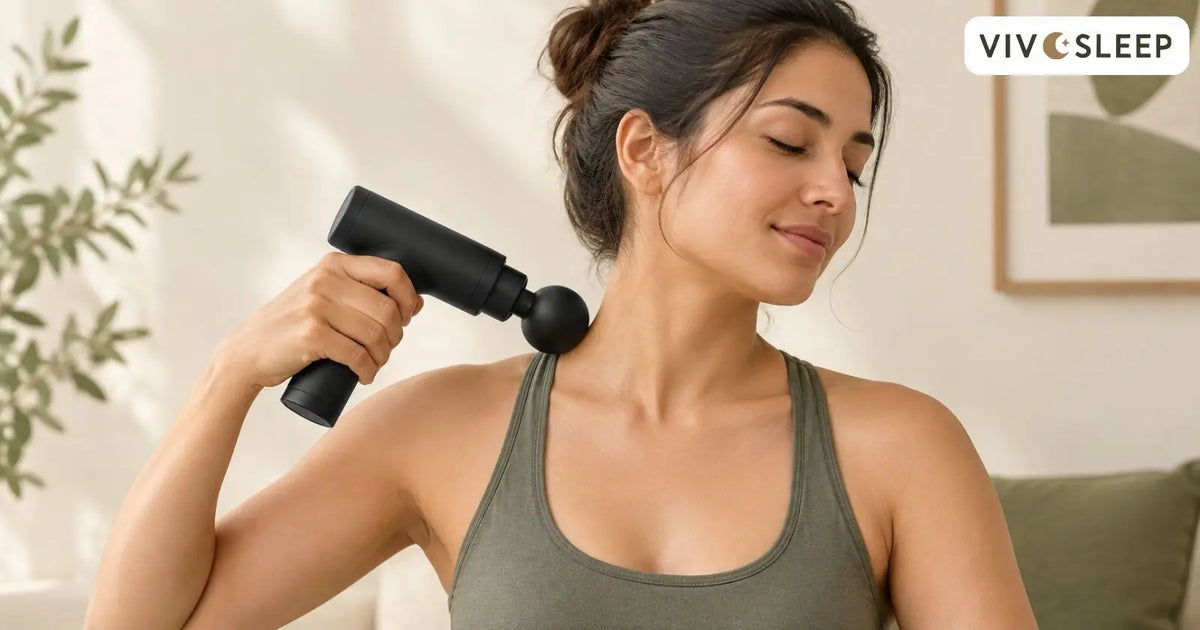
Massage guns use rapid percussion rather than traction. Use them on broad muscle areas such as the upper traps, shoulders, and upper back.
Avoid the front and sides of the neck, throat, cervical spine, base of the skull, and pulse points. Guidance on using a massage gun around the neck and shoulders can help clarify which areas to avoid. Percussive therapy also has specific uses and limitations, so understanding where it fits into a recovery routine can help you use it appropriately.
Posture Exercises Address Daily Habits
Chin tucks, shoulder-blade work, upper-back mobility, and workstation changes may support better movement habits. Traction can provide a short stretch, but it cannot replace active strength and daily movement.
Sleep Habits Also Matter
Pain and poor sleep can affect each other. Pillow height, sleep position, daytime posture, and muscle tension may influence nighttime comfort. Understanding the connection between neck pain and sleep quality can help when adjusting your nighttime routine.
What Are the Most Common Home Neck Traction Mistakes?
Small setup errors can change how the traction feels. Review these common mistakes before each session.
| Mistake | Better approach |
| Starting with strong tension | Begin with a mild stretch |
| Increasing time too quickly | Add time gradually |
| Using an unstable anchor | Check the door, bar, and straps first |
| Tilting the head | Keep the chin centred and head level |
| Continuing through pain | Stop and reassess |
| Ignoring arm symptoms | Seek professional advice |
| Treating traction as a cure | Use it as one part of a broader routine |
| Skipping the instructions | Follow the guide for your device |
| Sleeping during traction | Remain awake and attentive |
| Seeking a neck crack | Focus on comfort, not sound |
Where Does the VivoSleep Neck Traction Device Fit?
The VivoSleep Cervical Neck Traction Device is designed for people seeking controlled, gravity-based neck stretching at home. It offers adjustable tension and a portable setup for short sessions.
It may fit a daily comfort routine for people who experience mild tightness after desk work, screen use, driving, or other static activities. It should not be presented as a cure for disc problems, nerve compression, chronic pain, or injury.
VivoSleep supports buyers with:
- Two device options for different setup preferences
- A detailed online installation guide
- Gradual-use instructions for new users
- Free worldwide shipping
- Secure payment options
- A 30-day risk-free trial
- Product support for setup questions
People with previous neck surgery, injury, neurological symptoms, or significant health conditions should ask a clinician before use.
Browse the wider range of sleep and recovery products, or review the traction device details before choosing a model.
Final Verdict
Neck traction at home may provide temporary relief from mild tightness, stiffness, or a compressed feeling. It may also help selected people with cervical radiculopathy when used within a guided care plan.
It does not cure neck pain, repair discs, permanently correct posture, or replace rehabilitation. Safe use depends on the cause of the symptoms, correct device setup, light tension, and a gradual schedule.
Stop if symptoms increase. Seek professional care for injury, severe pain, dizziness, weakness, numbness, tingling, or radiating arm pain.
Frequently Asked Questions
What does neck traction at home help with?
It may provide temporary relief from mild neck tightness, stiffness, and a compressed feeling. Selected nerve-related symptoms may also respond under professional guidance.
Is home neck traction safe?
It may be suitable for selected users when the device is set up correctly and used with light tension. People with certain health conditions should seek professional advice first.
How long should you use a neck traction device?
Follow the instructions for your device. VivoSleep suggests beginning with one to two minutes and gradually building toward five to ten minutes when comfortable.
Can neck traction make pain worse?
Yes. Excessive force, poor positioning, unsuitable conditions, or long sessions may increase symptoms. Stop if pain or discomfort becomes stronger.
Who should not use neck traction?
People with recent injuries, cervical fusion, severe osteoporosis, spinal instability, myelopathy, untreated hypertension, or certain other conditions should seek clinical guidance.
Can neck traction correct posture?
It may provide temporary comfort, but it cannot permanently change posture alone. Movement, strength, workstation setup, and daily habits still matter.
Can you use neck traction every day?
Frequency depends on the device, symptoms, and professional advice. Begin gradually and do not increase force, time, and frequency together.
Should neck traction hurt?
No. It should feel like a mild, controlled stretch. Stop if it causes pain, numbness, tingling, dizziness, weakness, or headache.
Is neck traction better than stretching?
They serve different purposes. Traction applies an external pulling force, while stretching uses active or guided movement. Neither method suits every condition.